If you’ve ever wondered how some people manage to have that perfect hairstyle that looks effortlessly slick, the secret might well be in a little jar of pomade. Yes, we’re talking about that magical hair product that seems to have a life of its own. From classic looks to modern styles, pomade is the unsung hero of hair care. But hold your combs. Before diving into this world, let’s uncover everything you need to know about pomade: what it is, how to use it, and how to avoid those hair-raising mistakes that can happen when you’re just having a bad hair day. Buckle up, because this is going to be a hair-raising ride.
What Is Pomade?
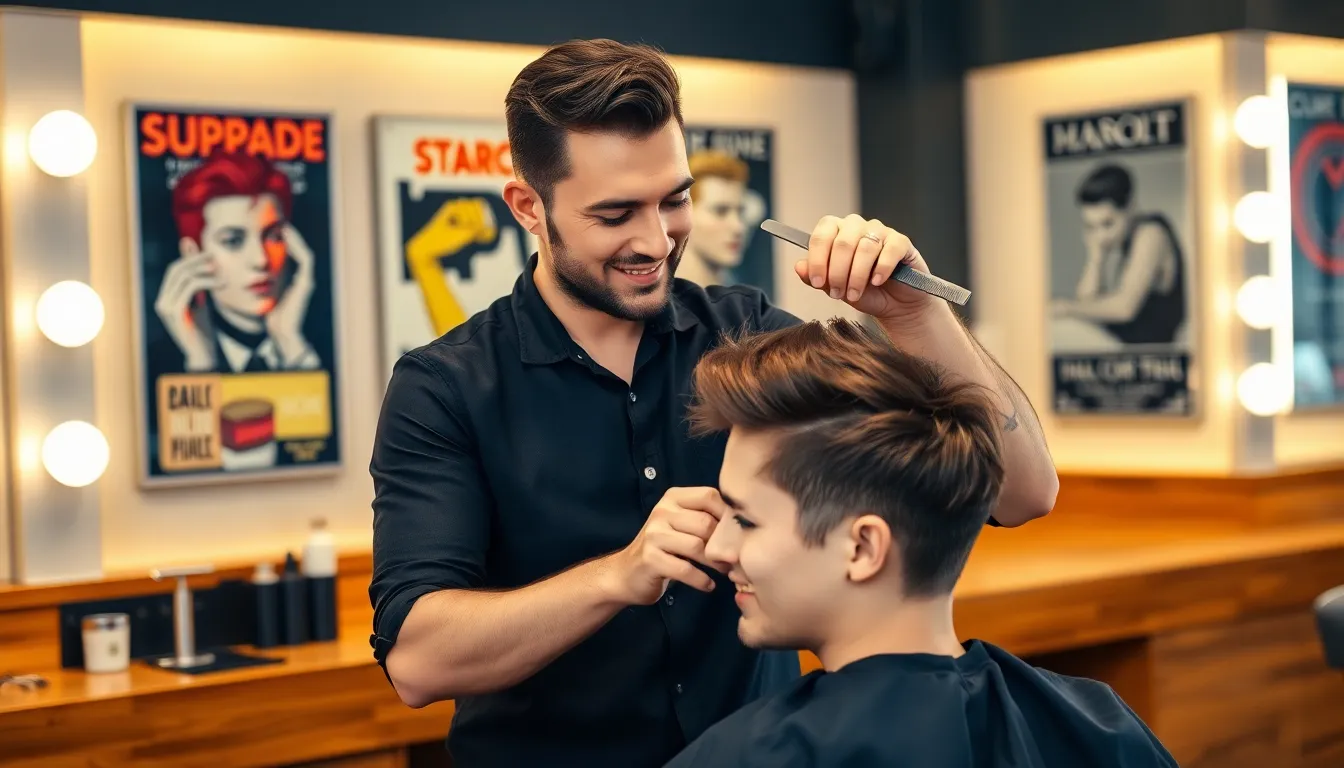
Pomade is a versatile hair product that has been a staple in grooming for decades. It serves primarily to style hair, providing hold and shine. Available in various formulations, pomade generally comes in either an oil-based or water-based version. Oil-based pomades tend to offer a stronger hold and a shiny finish but can be a bit tricky to wash out. On the other hand, water-based pomades are easier to clean and often provide a more natural finish. So, why is everyone buzzing about pomade? It’s all about that blend of hold and flexibility, making it perfect for styles ranging from slicked-back looks to tousled waves.
Understanding the difference between pomade and products like gel or mousse is crucial. While gels can give your hair a crunchy, rigid feel, and mousse might add volume without much hold, pomade offers a blend of both. It’s the middle ground that ensures your style stays put while still allowing for a bit of movement. In the right hands, pomade can transform a lackluster hairstyle into something show-stopping.
Types of Pomade
Exploring the types of pomade available is like wandering through a candy store for hair enthusiasts. Each type of pomade caters to different hair types and styling needs.
Oil-Based Pomade
Oil-based pomades typically provide a strong hold and a glossy finish. They’re excellent for trying to achieve classic looks, like the timeless slicked-back hairstyle. But, their oiliness can make them more challenging to wash out, so it’s best recommended for individuals who are committed to regular washing.
Water-Based Pomade
Water-based options are rapidly gaining popularity due to their simplicity and versatility. They offer a medium hold with a natural finish. Besides, they rinse out easily, making them ideal for everyday use if you’re looking for something convenient and effective.
Matte Pomade
For those who prefer a more understated style, matte pomade offers a non-shiny finish that gives hair texture without the glossiness. This type of pomade is perfect for casual or messy styles, giving the hair a natural look.
Cream Pomade
Cream pomade tends to be lighter and more flexible than typical pomades. This type is excellent for finer hair or softer styles where a natural look is preferred. It provides enough hold without feeling heavy.
How to Choose the Right Pomade
Navigating the world of pomade may seem overwhelming at first glance, but choosing the right one can eventually make or break a hairstyle.
- Hair Type: Consider your hair type before selecting a pomade. For thick or coarse hair, opt for a stronger hold, such as an oil-based pomade. Those with finer hair should lean towards water-based or matte formulas for better manageability.
- Desired Finish: Think about the finish you want. If a high shine fits your fancy, go for oil-based options. For a more natural look, water-based or matte pomades can help achieve that effortlessly chic vibe.
- Usage Frequency: If you plan to use pomade daily, a water-based pomade is generally easier to wash out and can prevent product buildup. On the flip side, if you’re going for all-day hold, an oil-based pomade might just be your best friend.
- Hair Length: Consider your hair length as well. Shorter hairstyles might require a different formula than longer hair, which might benefit from a cream or lighter pomade.
Application Techniques for Pomade
Applying pomade might seem straightforward, but the technique can significantly affect the outcome.
Start with Dry Hair
For best results, always start with dry hair. Applying pomade to wet hair can dilute the product’s effectiveness and weight it down, leading to subpar results.
Use a Small Amount
When you’re ready to apply, start with a small amount. It’s easier to add more product than it is to remove excess. Generally, a dime-sized amount is perfect for short to medium hair.
Warm It Up
Rub the pomade between your palms until it warms up slightly. This step ensures that it will distribute evenly throughout your hair and not clump together.
Apply Evenly
Begin applying from the back of the head, moving forward. Focus on the roots and gradually work your way out to the tips. Make sure to evenly coat all sections.
Styling Tips and Best Practices
With pomade in hand, it’s time to get styling. Here are some tried-and-true tips to help achieve a polished look.
- Experiment with Styles: Whether it’s a pompadour, quiff, or simple side part, try various styles to see what works best for your features and hair type.
- Use a Comb or Brush: For a sleek finish, use a comb or brush to style hair after applying pomade. Combing through gives you control and helps sections lay flat.
- Reapply as Needed: Throughout the day, use a small amount of water on your fingers to reactivate the pomade. This way, you can restyle without adding too much product.
- Pair with Other Products: Feel free to use a hair spray or a light serum after pomade application for extra shine or hold.
Common Mistakes To Avoid with Pomade
Even the most seasoned pomade users can trip up sometimes. Here are several common mistakes to steer clear of:
- Using Too Much Product: A little goes a long way with pomade. Overapplying can lead to greasiness and cause the hairstyle to fall flat. Always start light and build up as necessary.
- Failing to Wash Out Properly: For oil-based pomades, remember to use a clarifying shampoo to avoid buildup. Failing to clean out product residue can lead to weighed-down hair.
- Ignoring Hair Type: Picking a product that doesn’t gel with your hair type, be it wavy, curly, or straight, can lead to frustration. Always choose accordingly to avoid style mishaps.
- Not Experimenting: Don’t be afraid to explore various styles and products. Everyone’s hair is different, and what works wonders for one person might not work for another.